Master Yuanyin | 2018-06-23 | Download | AI assisted translation
 |
|
|---|---|
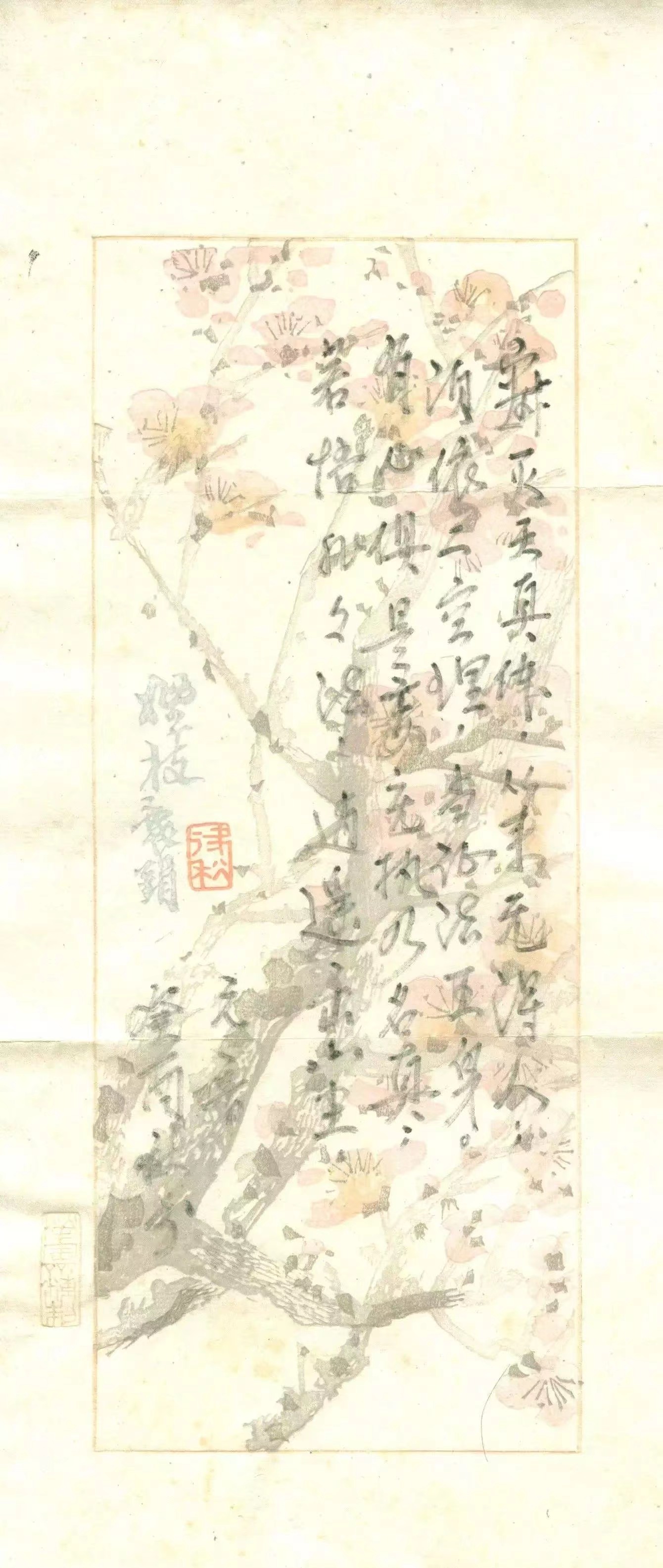
| (一) | (I) |
| 寂灭天真体 从来无得人 | The innately true body of quiescent extinction—since time without beginning, no one has attained it. |
| 须依二空理 当证法王身 | One must rely on the principle of the twofold emptiness, and thereby realize the body of the Dharma King. |
| 有心俱是妄 无执乃名真 | Where there is a grasping mind, all is delusion; only nonattachment is called true. |
| 若悟非非法 逍遥出六尘 | If one awakens to the Dharma that is not a dharma, one roams freely beyond the six sense objects. |
| (傅大士偈 元音老人书) | (Verse by Fu Dashi, calligraphed by Master Yuanyin) |
 |
|
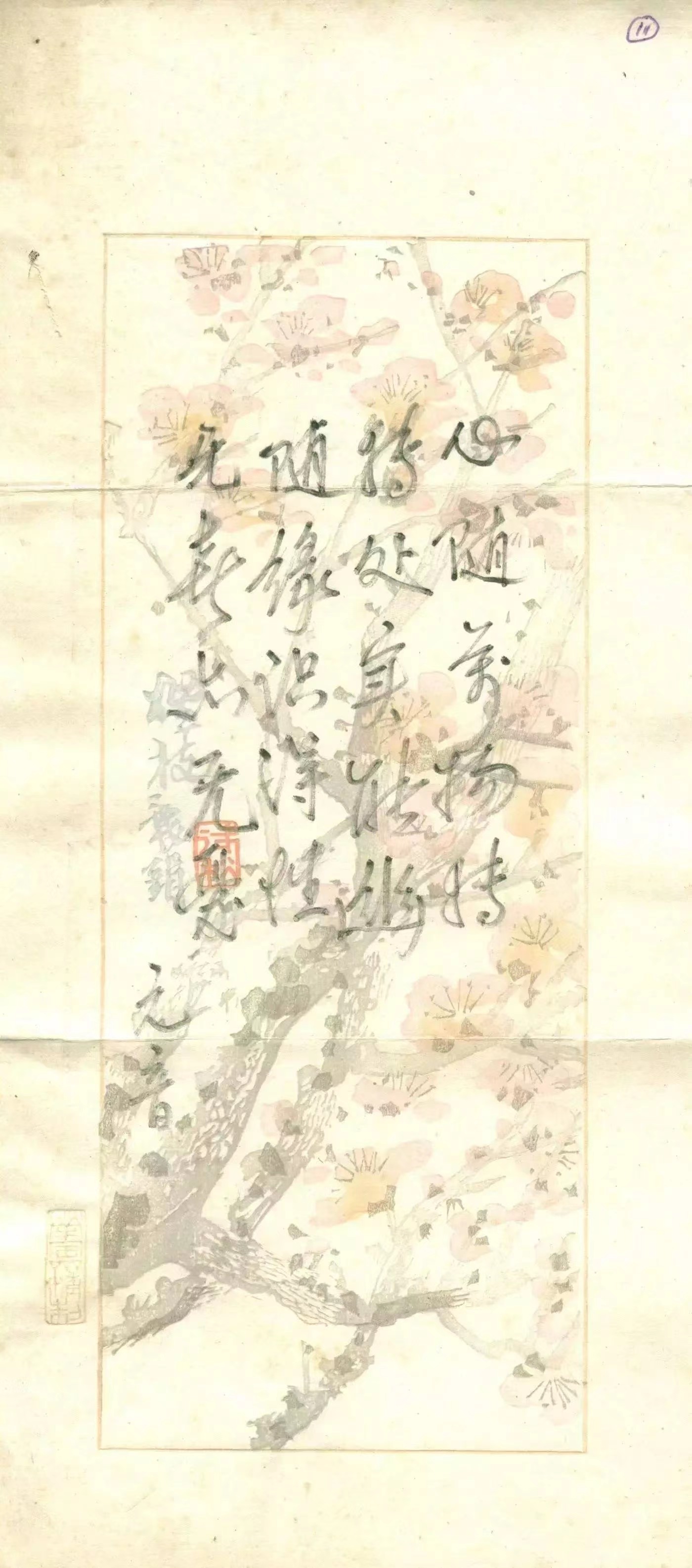
| (二) | (II) |
| 心随万物转 转处实能幽 | The mind turns along with the myriad things; where it turns, its functioning is truly subtle. |
| 随缘识得性 无喜亦无忧 | Following conditions, recognize one’s nature; there is neither joy nor sorrow. |
| (石霜楚圆禅师偈 元音老人书) | (Verse by Chan Master Shishuang Chuyuan, calligraphed by Master Yuanyin) |
 |
|
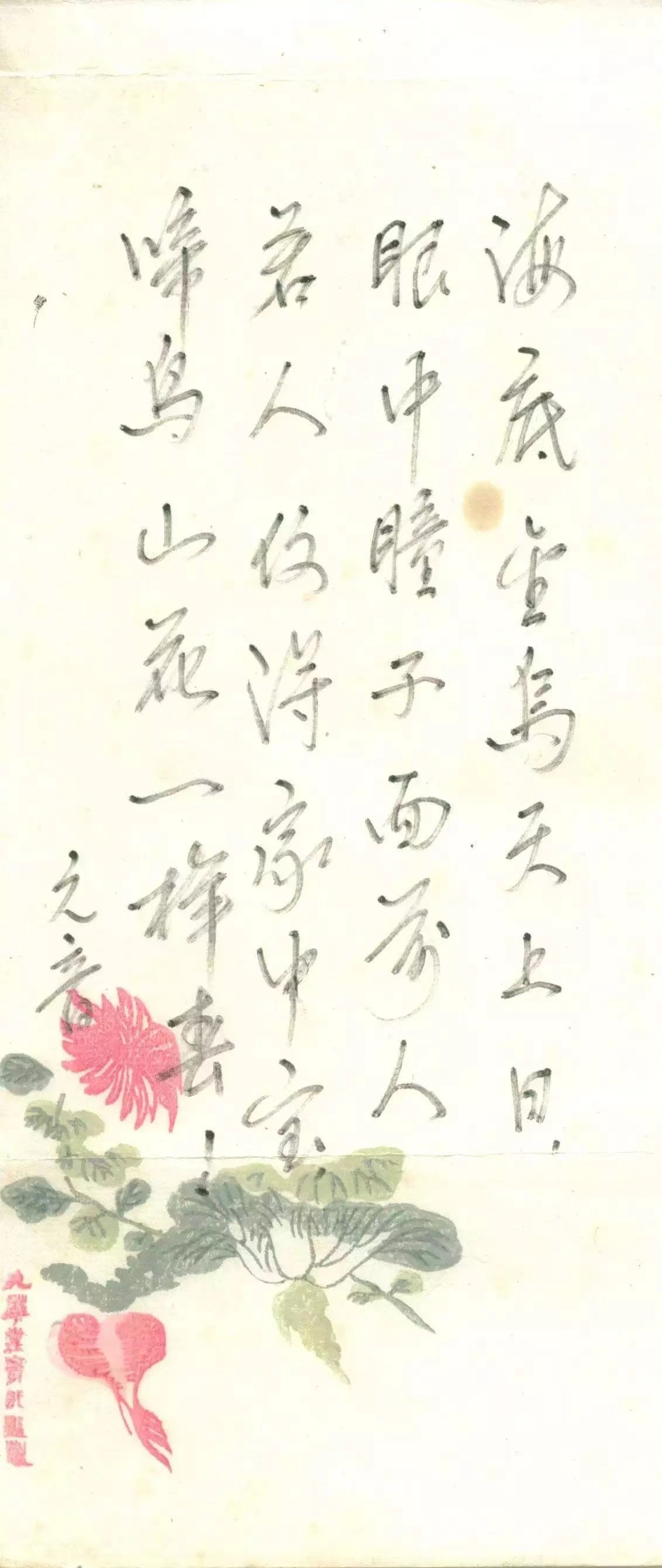
| (三) | (III) |
| 海底金乌天上日 眼中瞳子面前人 | The golden crow beneath the sea, the sun in the sky; the pupil in the eye, the person before one. |
| 若人信得家中宝 啼鸟山花一样春 | If one can trust the treasure within one’s own home, singing birds and mountain flowers are alike spring. |
| (道川禅师偈) | (Verse by Chan Master Daochuan) |
 |
|
| (四) | (IV) |
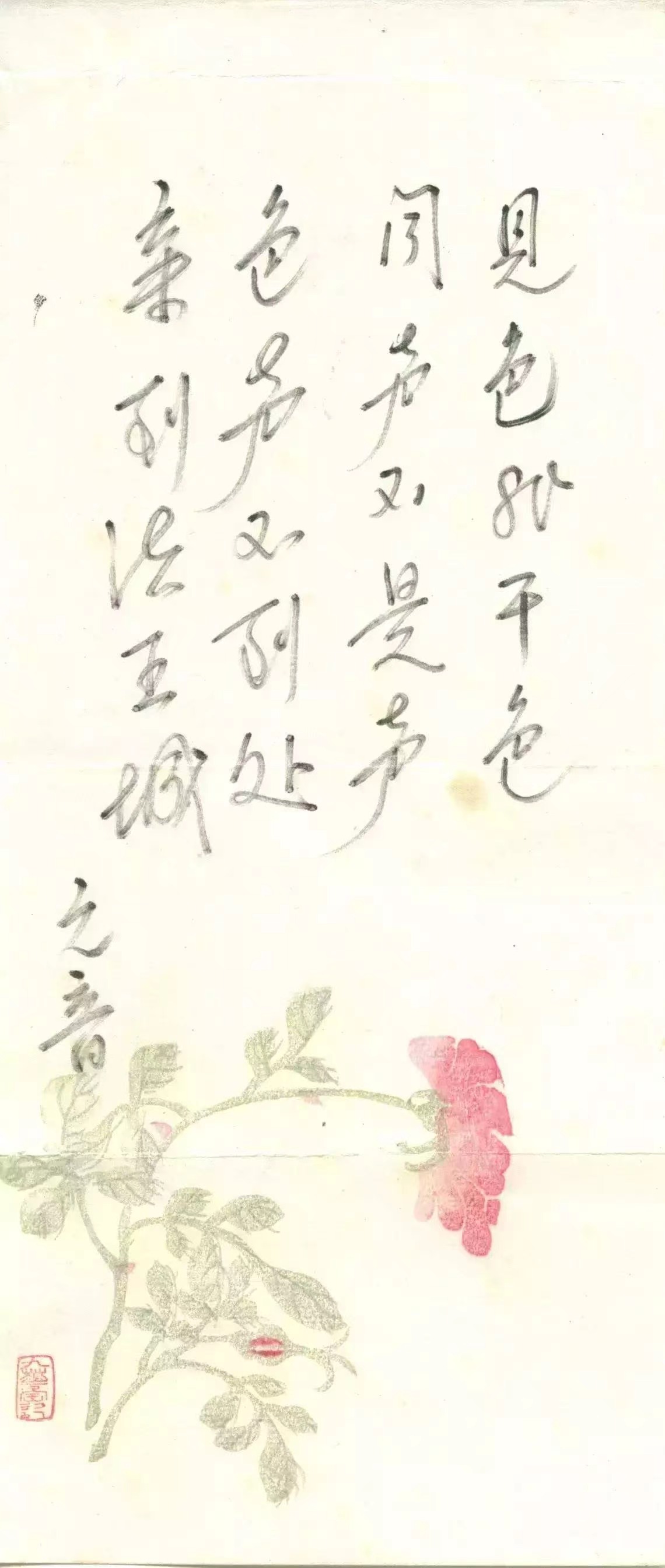
| 见色非干色 闻声不是声 | Seeing forms is not a matter of forms; hearing sounds is not a matter of sounds. |
| 色声不到处 亲到法王城 | Where forms and sounds do not reach, one directly arrives at the city of the Dharma King. |
| (傅大士偈 元音老人书) | (Verse by Fu Dashi, calligraphed by Master Yuanyin) |
 |
|
| (五) | (V) |
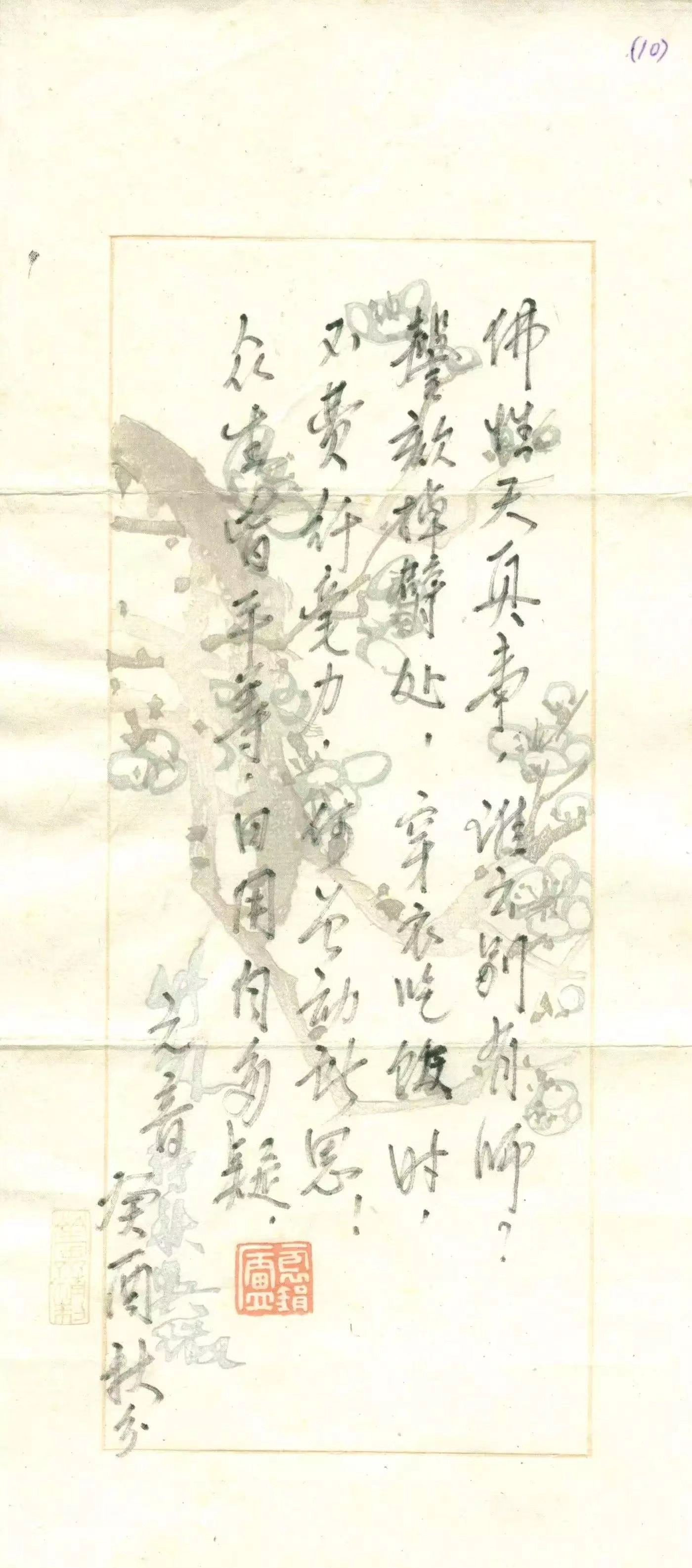
| 佛性天真事 谁云别有师 | Buddha-nature is an innately true matter; who says there is some other teacher? |
| 謦劾掉臂处 穿衣吃饭时 | In coughing, speaking, laughing, and swinging one’s arms; in putting on clothes and eating meals. |
| 不费纤毫力 何曾动所思 | It requires not the slightest effort; when has it ever stirred what one thinks? |
| 众生皆平等 日用自多疑 | Sentient beings are all equal, yet in daily life they themselves generate many doubts. |
| (謦劾:咳嗽。劾为咳的异体字,引申为言笑;掉臂,游行的样子。) | (Qinghe: coughing. He is a variant form of ke, “cough,” and by extension refers to speaking and laughing; diaobi describes the manner of strolling.) |
| (云庵禅师偈 元音老人书) | (Verse by Chan Master Yun’an, calligraphed by Master Yuanyin) |
 |
|
| (六) | (VI) |
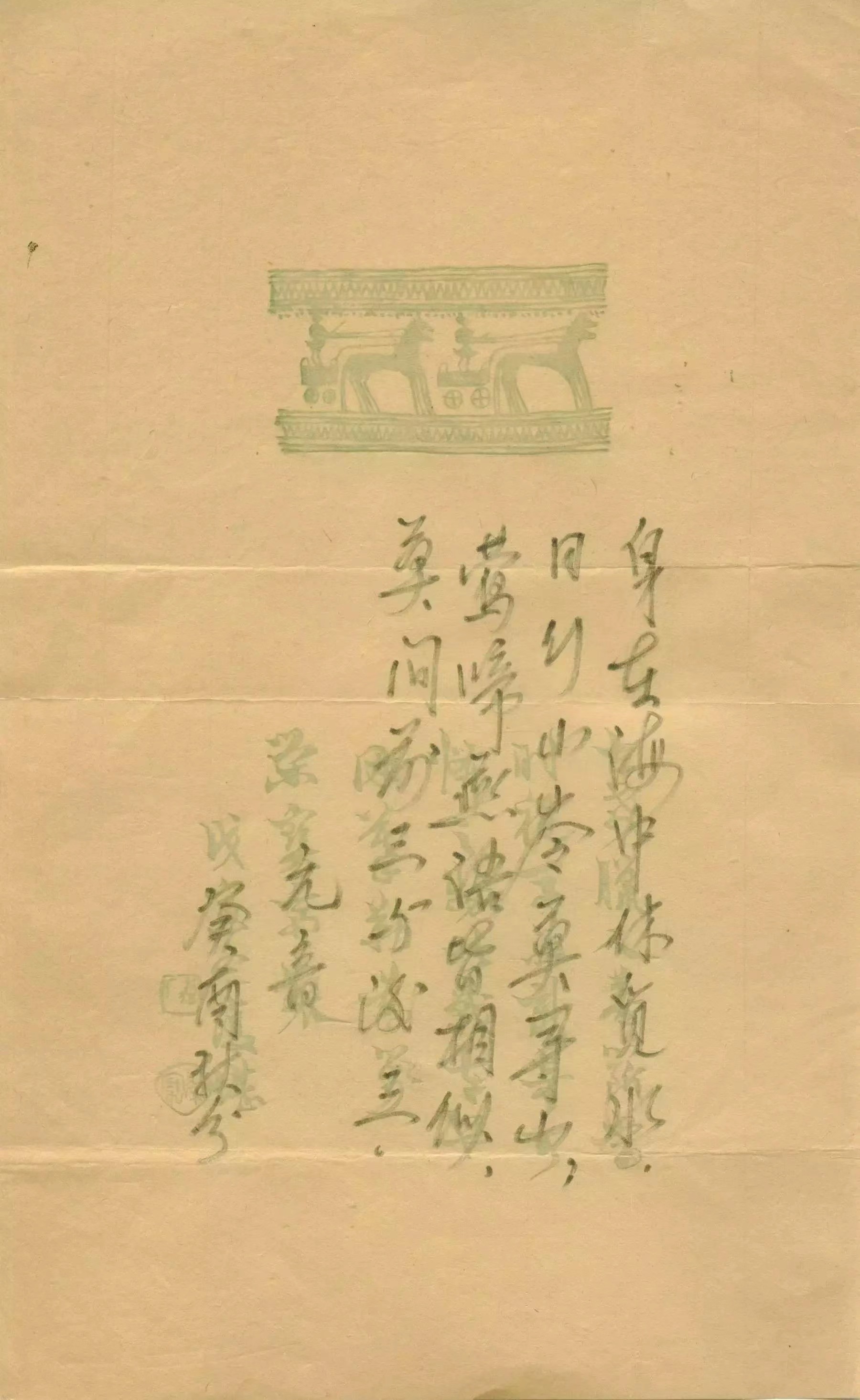
| 身在海中休觅水 日行山岭莫寻山 | Though dwelling in the sea, do not seek water; though daily traversing mountain ridges, do not seek mountains. |
| 莺啼燕语皆相似 莫问前三与后三 | The cries of orioles and the speech of swallows are all alike; do not ask about the three before and the three after. |
| (道川禅师偈) | (Verse by Chan Master Daochuan) |
 |
|
| (七) | (VII) |
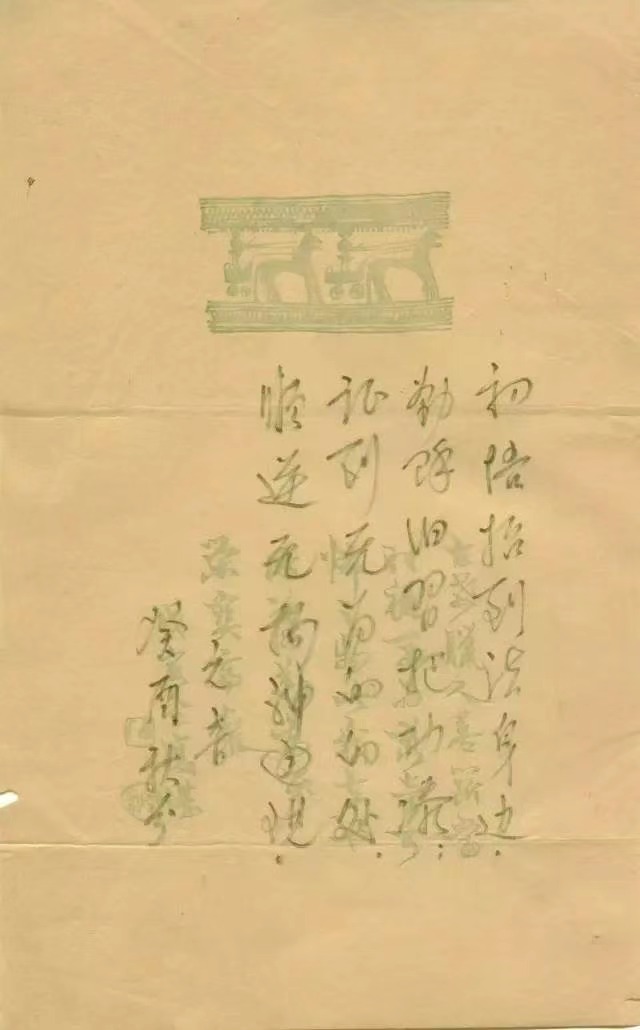
| 初悟始到法身边 勤除旧习把功添 | Initial awakening is only the beginning of approaching the dharmakāya; diligently remove old habitual tendencies and deepen your practice. |
| 证到无为的的处 顺逆无拘神通现 | Upon realizing the precise place of non-contrivance, one is unbound by favorable or adverse circumstances, and spiritual powers appear. |
| (元音老人偈) | (Verse by Master Yuanyin) |
 |
|
| (八) | (VIII) |
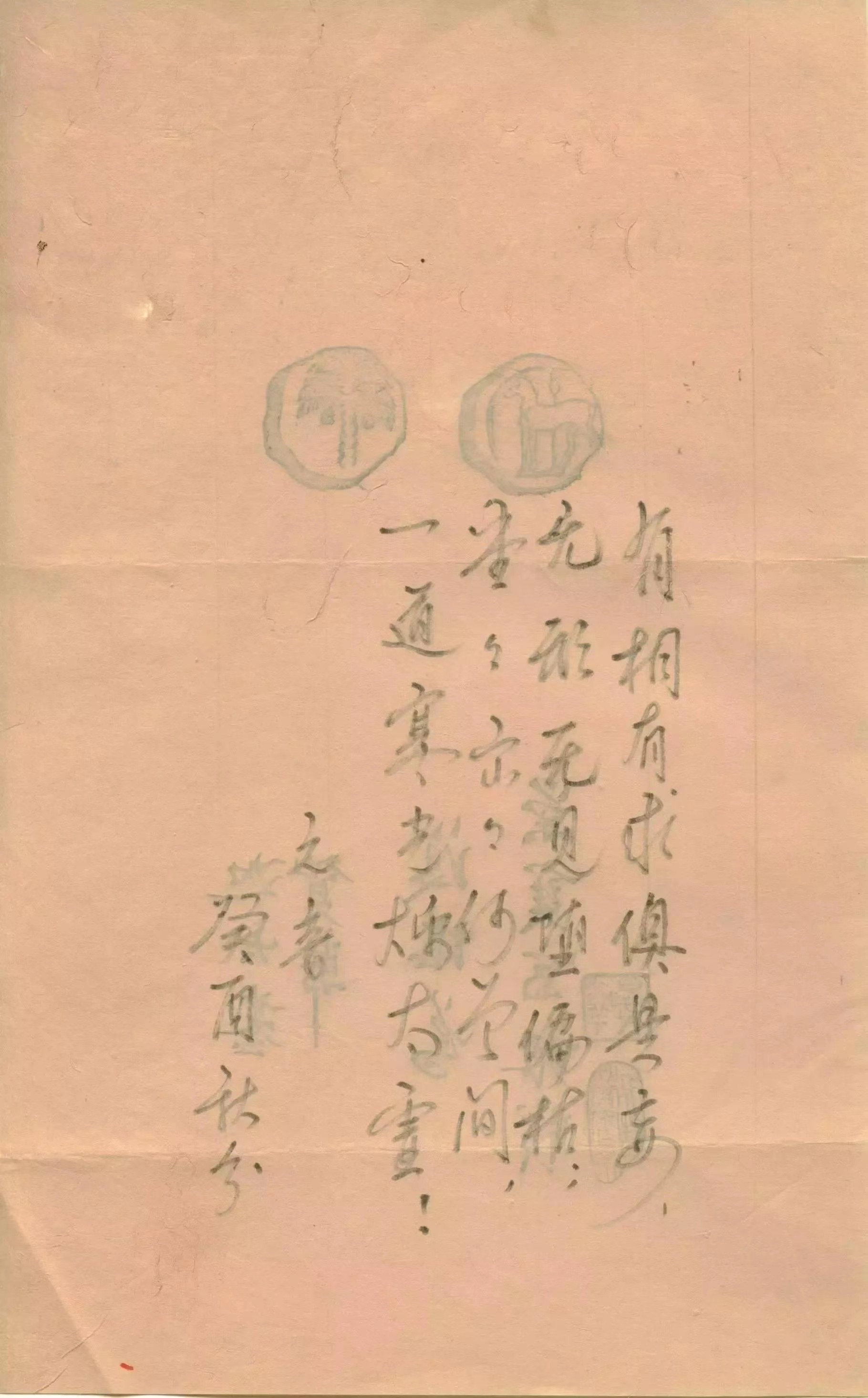
| 有相有求俱是妄 无形无见堕偏枯 | All forms and all seeking are delusion; to have neither form nor seeing is to fall into one-sided barrenness. |
| 堂堂密密何曾间 一道寒光烁太虚 | Vast and all-pervading, intimate and subtle—when has there ever been an interval? A single cold radiance shines through the great void. |
| (道川禅师偈) | (Verse by Chan Master Daochuan) |
 |
|
| (九) | (IX) |
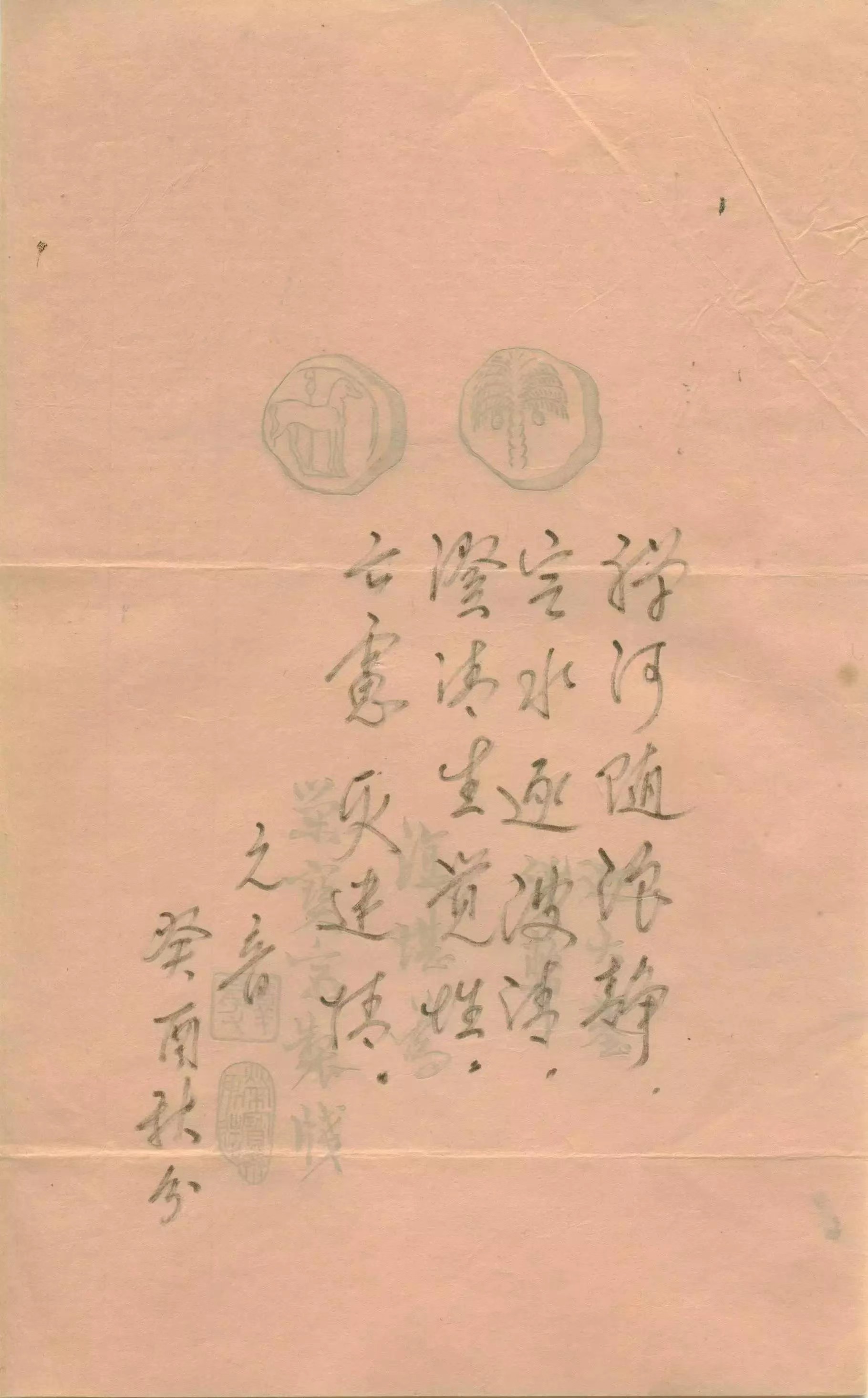
| 禅河随浪静 定水逐波清 | The river of Chan grows still with the waves; the water of samādhi becomes clear with the ripples. |
| 澄清生觉性 亡虑灭迷情 | When clarity arises, awakening nature is born; when thoughts perish, deluded feelings are extinguished. |
| (傅大士偈 元音老人书) | (Verse by Fu Dashi, calligraphed by Master Yuanyin) |
 |
|
| (十) | (X) |
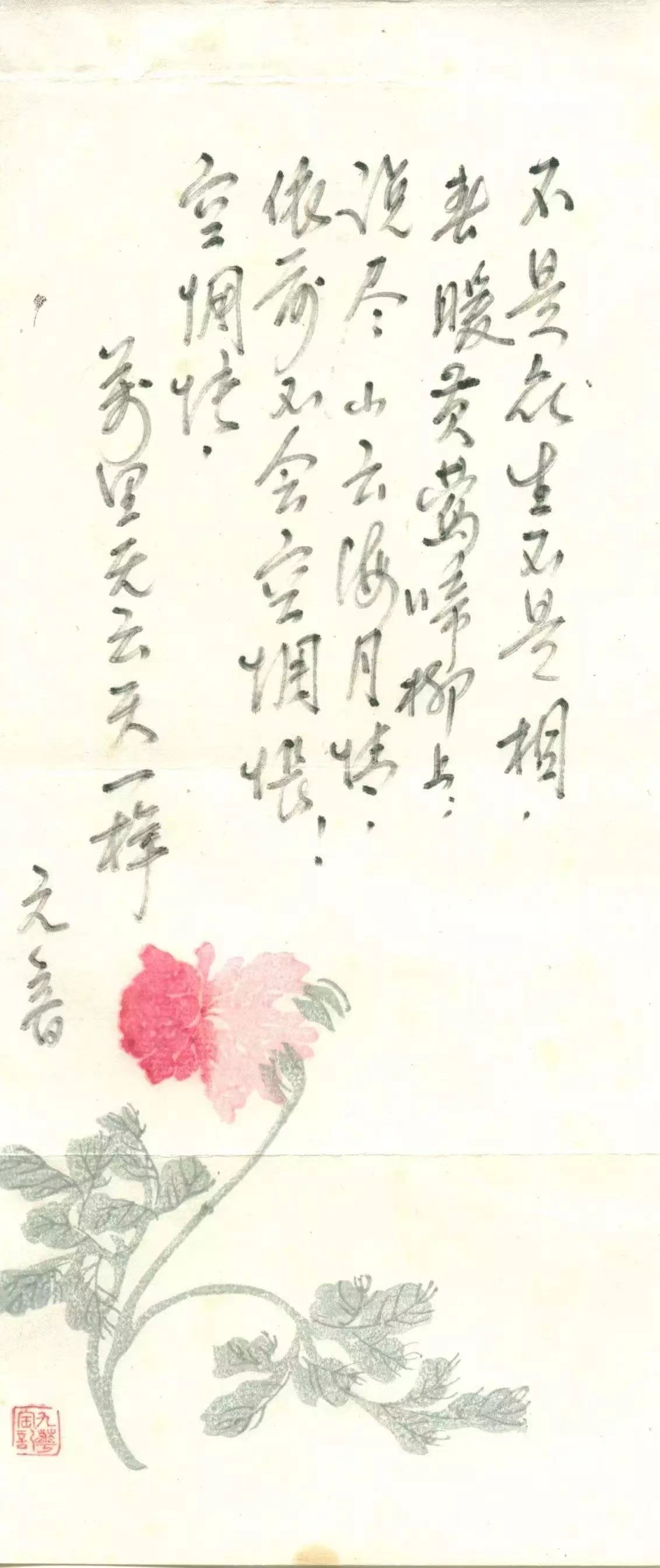
| 不是众生不是相 春暖黄莺啼柳上 | Neither sentient beings nor appearances: spring is warm, and yellow orioles sing among the willows. |
| 说尽山云海月情 依前不会空惆怅 | Though one has spoken fully of the feelings of mountain clouds and sea moons, one still fails to understand and is vainly despondent. |
| 空惆怅 万里无云天一样 | Vainly despondent! For ten thousand miles, the cloudless sky is all the same. |
| (大川禅师偈) | (Verse by Chan Master Dachuan) |
 |
|
| (十一) | (XI) |
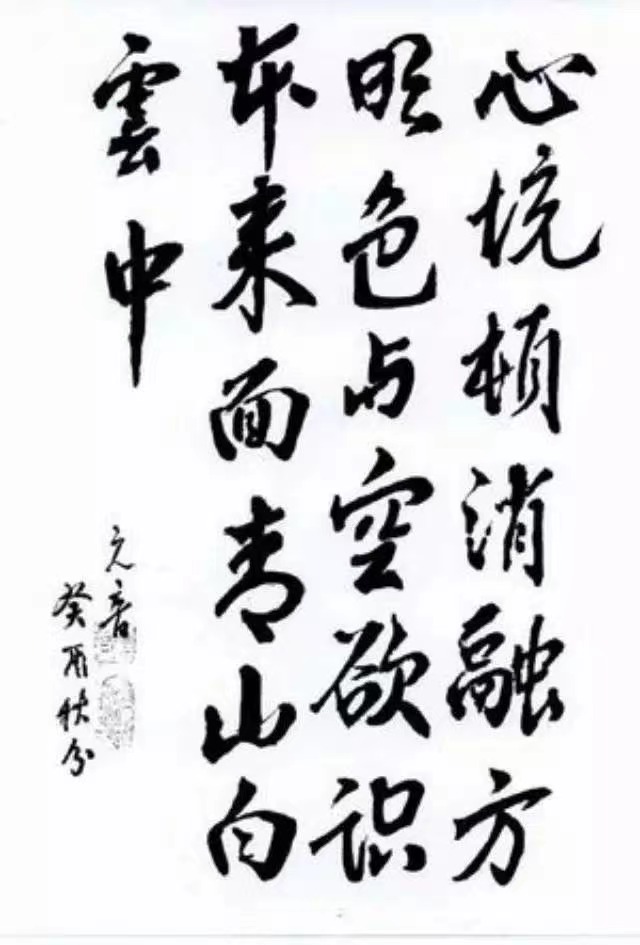
| 心境顿消融 方明色与空 | Only when mind and objects suddenly dissolve together does one understand form and emptiness. |
| 欲识本来面 青山白云中 | If you wish to know your Original Face, it is amid green mountains and white clouds. |
| (慈受怀深禅师偈) | (Verse by Chan Master Cishou Huaishen) |
| 备注:老人书写(部分为古偈引用) | Note: Calligraphy by the Elder; some verses are quotations from ancient verse. |